
Special Leave Petition in the Supreme Court of India: A Strategic Remedy for Justice
When justice feels out of reach, the law still keeps one powerful door open. That door is a Special Leave Petition (SLP) before the Supreme Court of India. For individuals, corporations, and even international litigants, an SLP is often the final legal remedy to challenge an unjust order passed by a High Court, or tribunal in India.
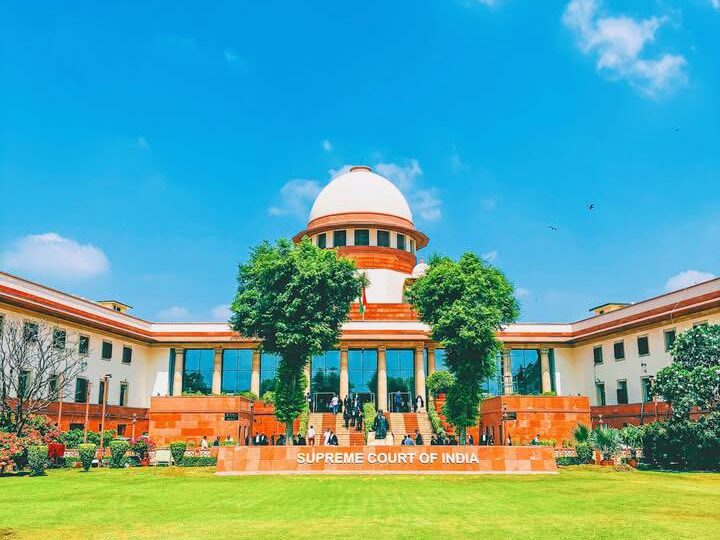
In today’s global legal landscape, cross-border disputes, regulatory conflicts, white-collar investigations, and constitutional questions frequently require intervention at the highest judicial level. An effectively drafted Special Leave Petition can make the difference between dismissal at the threshold and admission for detailed hearing.
What Is a Special Leave Petition (SLP)?
A Special Leave Petition is a constitutional remedy filed under Article 136 of the Constitution of India. It allows the Supreme Court to grant special permission (“leave”) to appeal against any judgment, decree, or order passed by any court or tribunal in India.
Unlike regular appeals, an SLP is not a matter of right. It is a discretionary power of the Court. That means the petitioner must demonstrate:
- Gross miscarriage of justice
- Substantial question of law
- Violation of principles of natural justice
- Jurisdictional error
- Constitutional importance
Why File a Special Leave Petition?
Many clients—both national and international—approach the Supreme Court when:
- A High Court order adversely affects business operations
- Bail or anticipatory bail has been denied in serious criminal matters
- Constitutional rights have been violated
- Arbitration awards require urgent judicial scrutiny
- Regulatory penalties threaten large-scale investments
- Government decisions raise questions of legality
For foreign investors, multinational corporations, and global entities operating in India, an SLP provides a structured legal path to seek redress at the apex level.
Common Types of Special Leave Petitions
SLPs arise in various legal domains:
- Criminal matters (bail, conviction, quashing of FIR)
- Civil disputes (property, contracts, recovery suits)
- Arbitration and commercial disputes
- Service and employment matters
- Taxation and regulatory issues
- Constitutional litigation
Given India’s expanding global business environment, international commercial disputes increasingly reach the Supreme Court through Special Leave Petitions.
Strategic Considerations for National and International Clients
For domestic litigants, Supreme Court litigation may represent the final judicial forum.
For international clients, it carries broader implications:
- Business continuity
- Investor confidence
- Regulatory clarity
- Protection of contractual rights
- Reputation management
Careful coordination between trial counsel, High Court counsel, and Supreme Court advocates ensures consistency in legal arguments
Why Expertise Matters in Special Leave Petitions
The Supreme Court of India operates under strict procedural and drafting standards. Even minor technical defects can delay listing or result in objections from the Registry.
Professional handling ensures:
- Compliance with Supreme Court Rules
- Accurate formatting and indexing
- Strong constitutional framing
- Effective oral briefing at admission stage
- Strategic interim relief management
An SLP is not just another filing—it is a constitutional challenge requiring precision, research, and persuasive advocacy.
Global Relevance of Supreme Court Litigation in India
India is one of the world’s largest economies and legal jurisdictions. Decisions of the Supreme Court shape commercial, criminal, constitutional, and regulatory frameworks.
For international businesses and NRIs (Non-Resident Indians), access to the Supreme Court provides:
- Legal certainty
- Protection of investments
- Enforcement clarity
- Uniform interpretation of Indian law
In cross-border matters, the Court’s rulings often influence arbitration enforcement and treaty-related issues.